
faith condition
by Lukas

Files
This work has been commented by 1 curator(s). Read the comments
Title
faith condition
Headline
How does implicit trust in technological products changes our behaviour and moral?
Concept author(s)
Lukas Franciszkiewicz
Concept author year(s) of birth
1987
Concept author(s) contribution
The project was part of my bachelor thesis at Muthesius Academy of Fine Arts and Design in Kiel.
Concept author(s) Country
Germany
Friendly Competition
Competition category
Mobilization
Competition field
academic
Competition subfield
student
Subfield description
Muthesius Academy of Fine Arts and Design Kiel/ Industrial Design
Check out the Debt. 2012 outlines of Memefest Friendly competition.
Description of idea
Describe your idea and concept of your work in relation to the festival outlines:
In our current media society particularly those religions bound by tradition, like Catholicism or Islam, have failed to adapt to a modern understanding. Despite of the observed secularisation, there seems to be a general urge to individually define religion. Hence, we are not facing the extinction of religion, but its transformation.
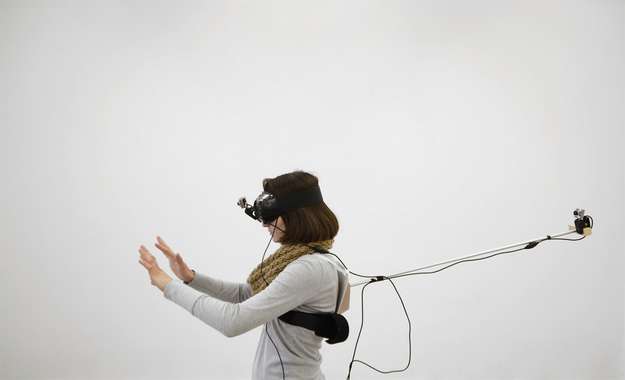
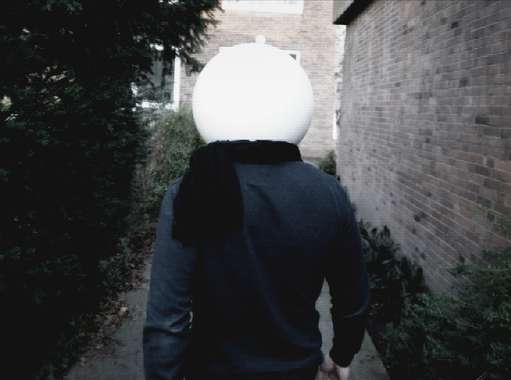
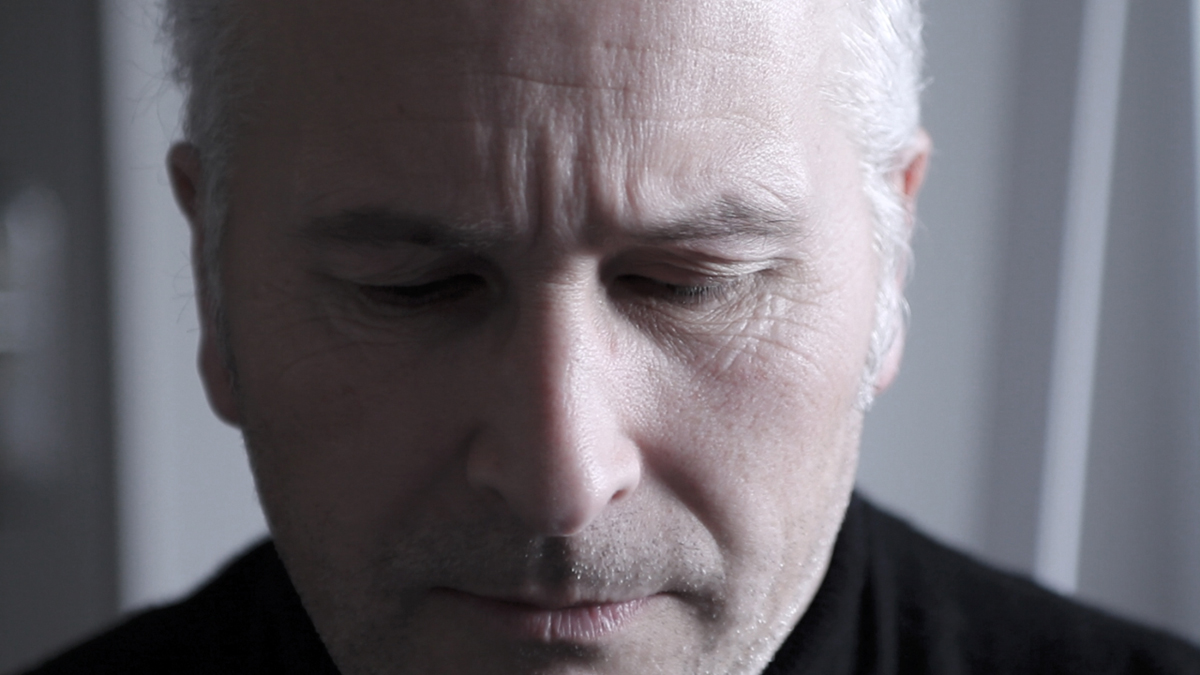
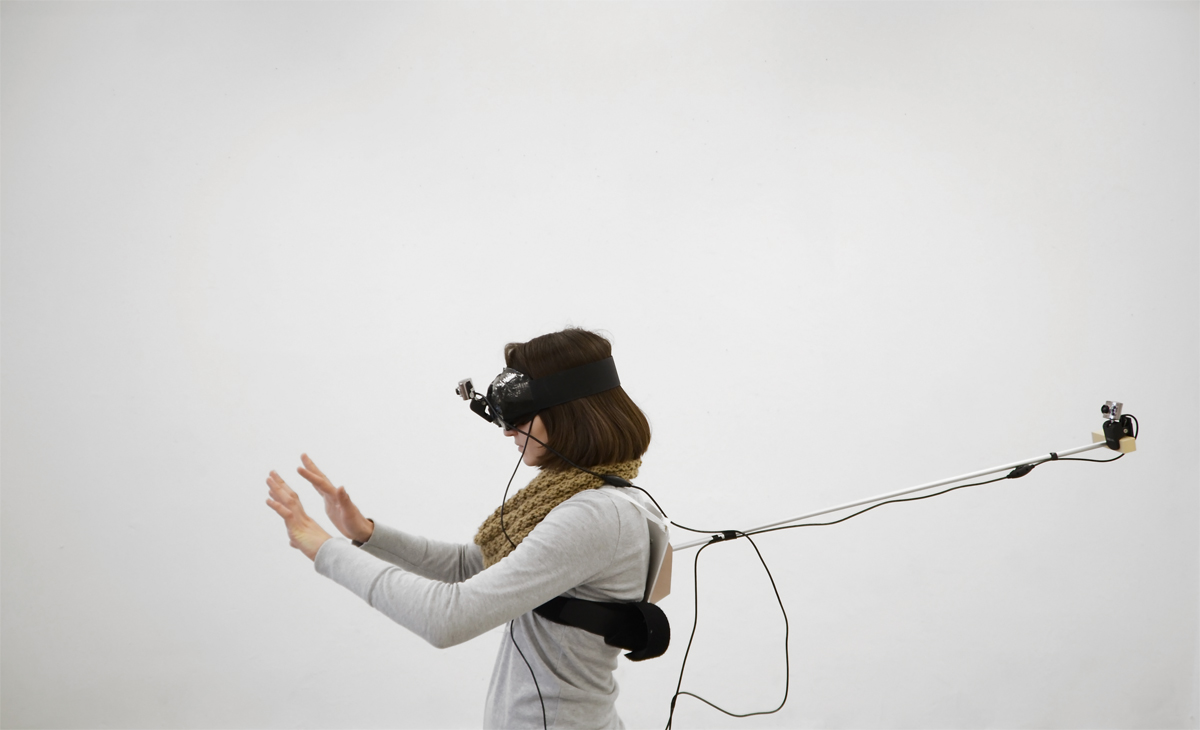
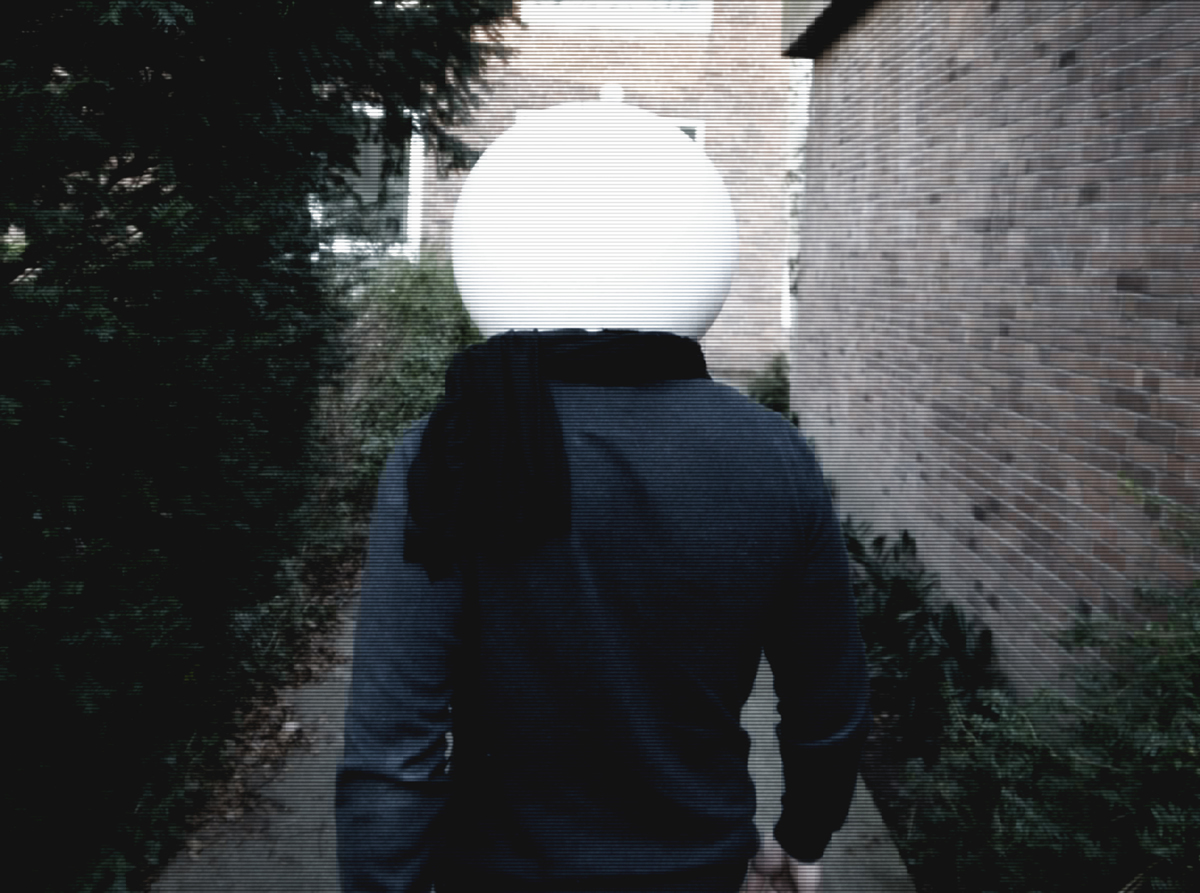
Fascinated by technological reproduction of the religious phenomenon of an 'out-of-body'-experience, I developed a series of perception-experiments using head-mounted video glasses and cameras. The initial aim was the manipulation of human self-perception by blurring the boundaries between the real and a virtual body. Derived from these experiments, I created new scenarios for a disembodied sense.
Todays‘ technologies tend to convey security and confidence rather than functional transparency. In order to its illusional potential, technology is strongly connected to mechanisms of faith and religion.
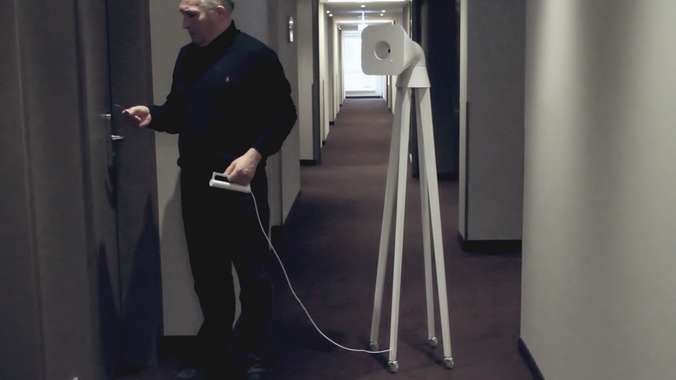
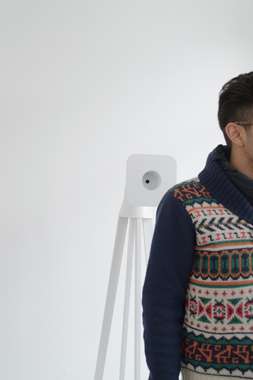
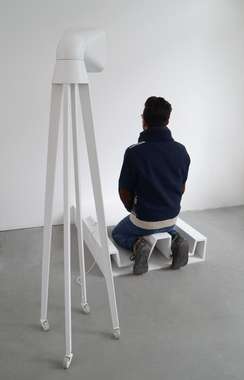
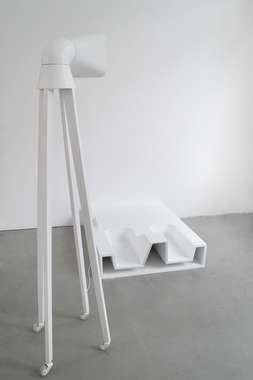
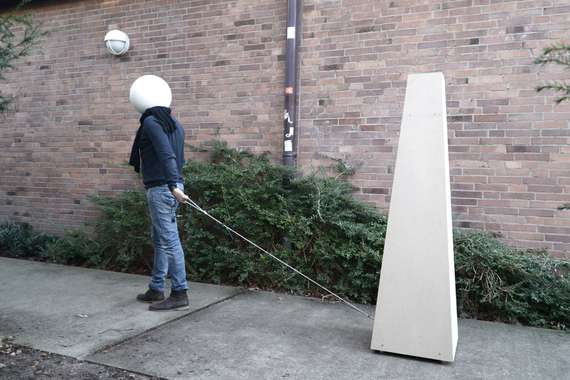
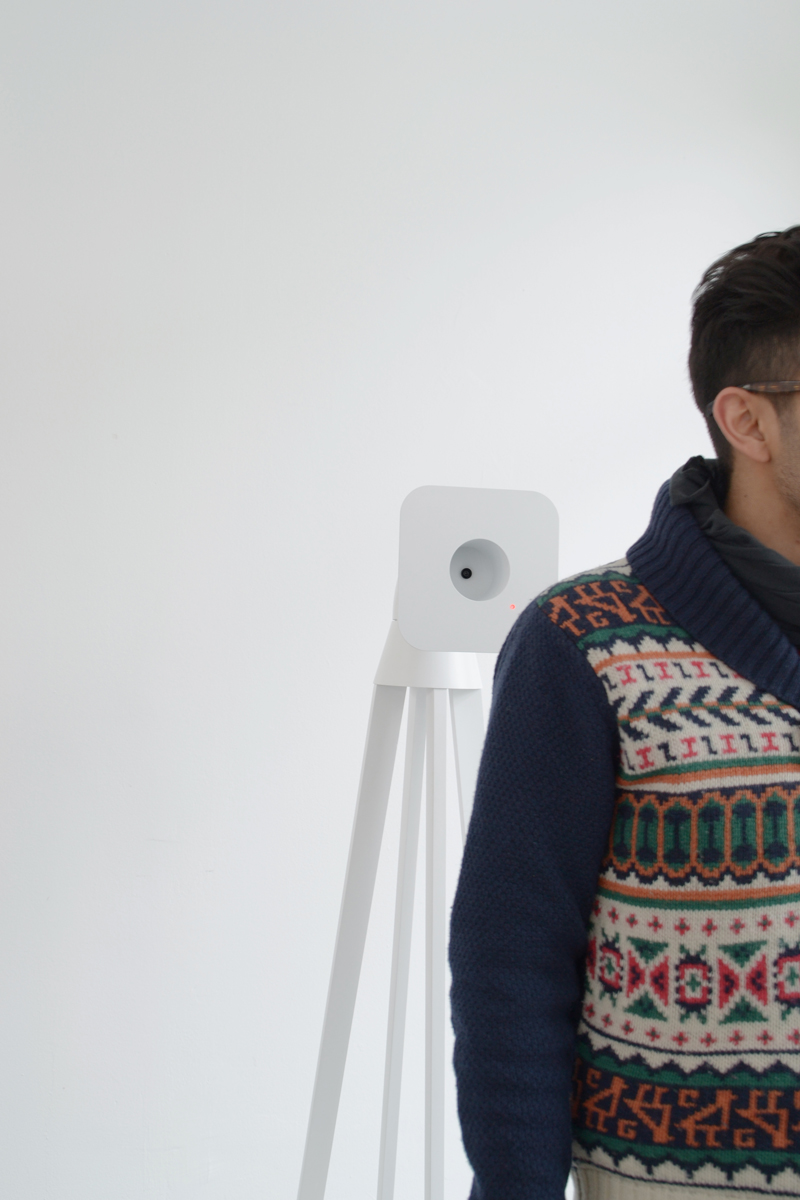
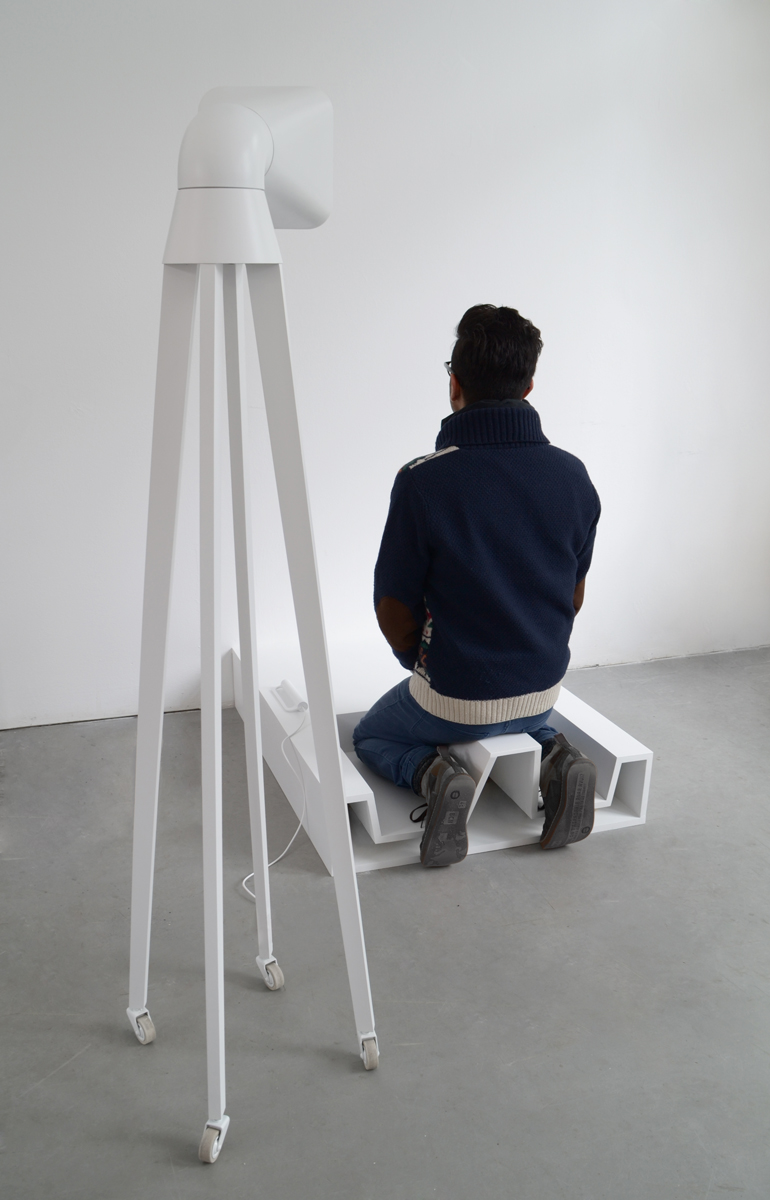
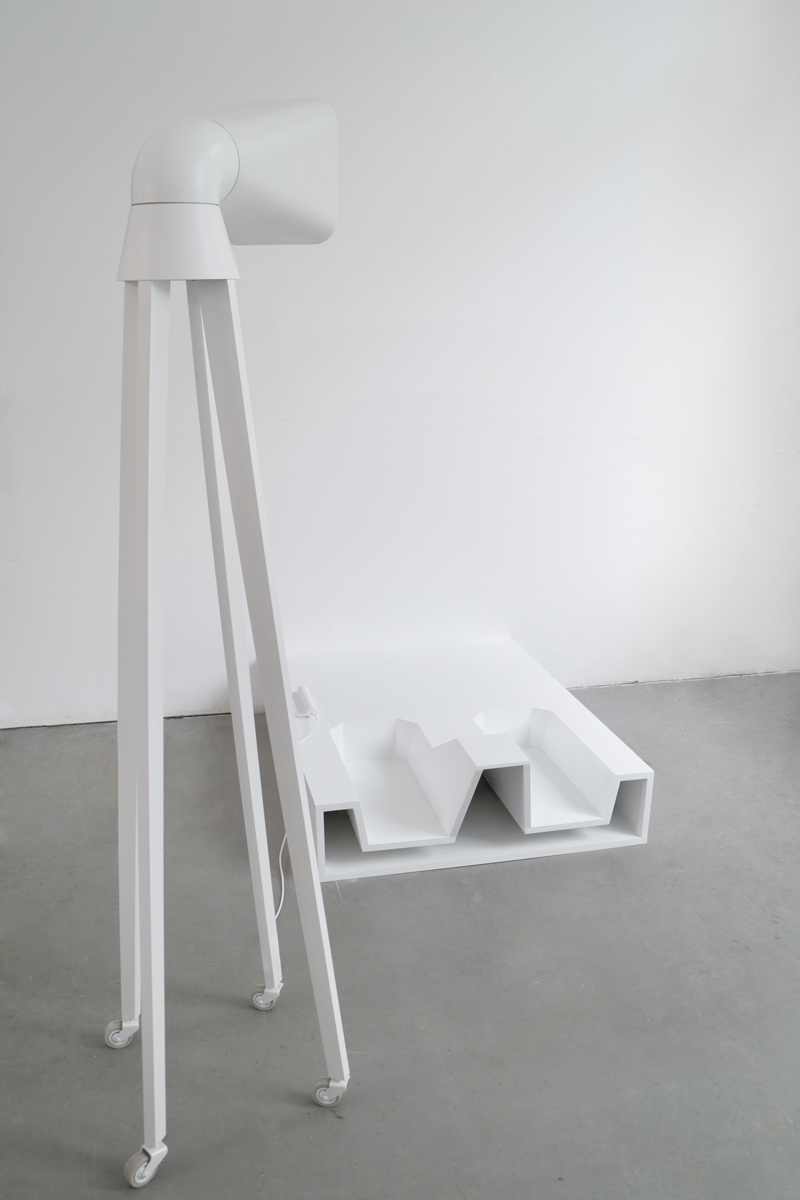
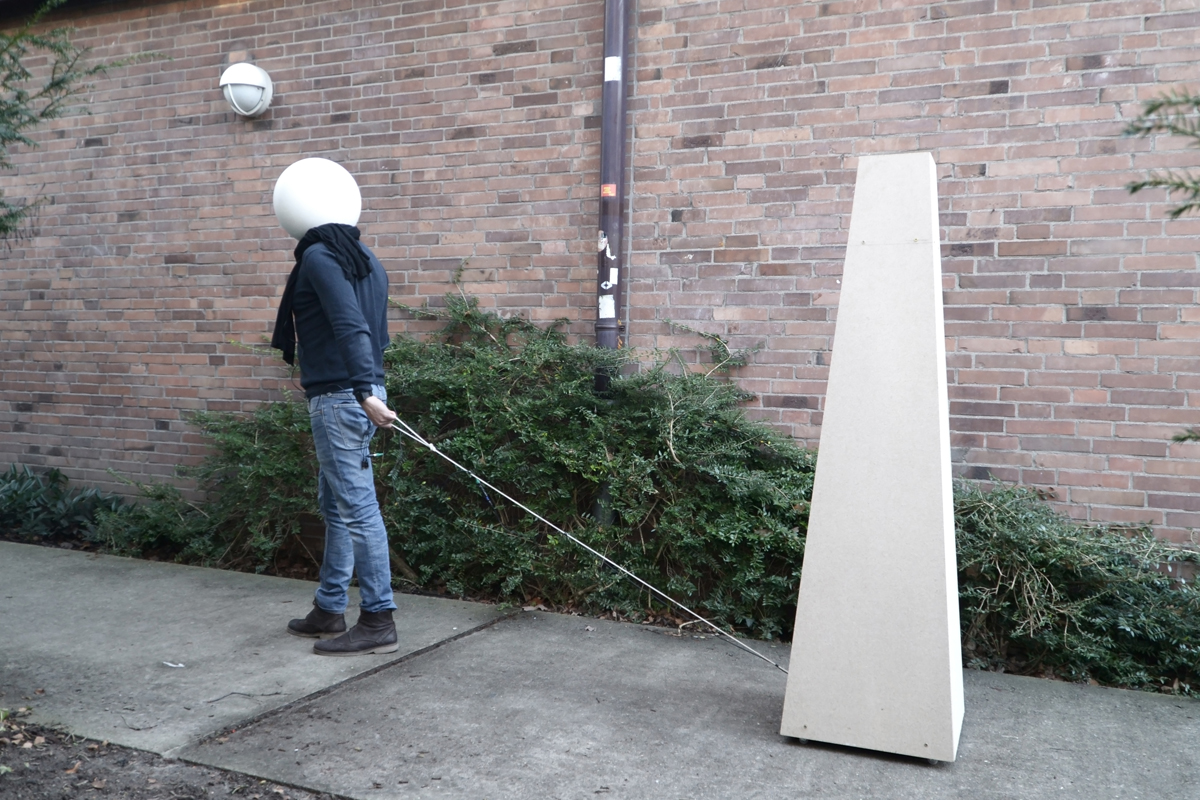
Based on this awareness, I created a fictional scenario for faith-conditioning objects. The first object is a camera device which is pulled by an attached cord. It addresses the personal demand of an objective view in a world scattered with digital artefacts and acts as constant reminder of technological dependence. The user connects the device to a pedestal that invites you to kneel down - a faith-based interaction manifests itself in a technological ritual.
What kind of communication approach do you use?
Considering me as a subversive product-based designer, I use conceptional products to question the impact of technology on human perception and behaviour from within. My approach is informed by ideas that challenge the autonomy of design to extend it to its broadest contexts. Rather than providing functional solutions, scenarios embedded in our everyday life allow complex interactions between reality and imagination.
What are in your opinion concrete benefits to the society because of your communication?
My work seeks to explore and examine the possibilities of design to encourage people to take a stand on their relationships to objects, products and technology. Design needs to expand its scope to include speculation on how we want to life. By showing a vision of speculative objects I aim to make people realise and form an opinion about what we could be faced with. I try not just to visualize an better world but arouse the desire for one.
What did you personally learn from creating your submitted work?
During my Industrial Design studies I came to the point where the functional, problem-solving design approach became more and more obsolete. Considering the fact that technological developments have overcome our awareness of its implications, we have to rethink the responsibility of design. Critical design allows me to see my environment from a different point of view. Working on this project challenged how I think about technological development and their potential to transform our perception and consciousness rather than conforming it.
Why is your work, GOOD communication WORK?
I see my work as good communication work because it overcomes the reserved role of design as problem-solver. It does not pretend to give answers to apparent problems. This form of critique is not about being negative but to show alternatives using the language of design. By blurring the boundaries between the rational and the fictional the project tries to reveal hidden, human needs.
Where and how do you intent do implement your work?
Where is the place for critical design? As I am still a designer, I like the idea of embedding my work into everyday live. I am interested in the way people use, abuse or extend the functionality of my products in times when technology defines what it means to be human.
Did your intervention had an effect on other Media. If yes, describe the effect? (Has other media reported on it- how? Were you able to change other media with your work- how?)
This project is just the beginning of an investigation of the relationship we want to have with future technological concepts. I feel that creative ideas oftentimes need a lot of room to evolve, to turn into social change.
I appreciate ambiguous reactions. It is interesting if people do not agree with the project, but it still bothers them.
Curators Comments
Alain Bieber
First: I think we need more "subversive product-based designer" - the only others I know are the german collective http://www.antipreneur.de/. Second: I love artistic & activist concepts playing (and re-defining) "religion" from Flying Spaghetti Monster (http://en.wikipedia.org/wiki/Flying_Spaghetti_Monster), to Reverend Billy & The Church of Stop Shopping (http://www.revbilly.com/), "Prayers to Products" (Vaccum Cleaners: http://vimeo.com/32279656). Third: I like the unique approach to design technical devices (that are also visually very alluring objects) to initiate this kind of technological ritual. There is a reason why Apple fanboy are called today "Apple evangelist" (http://en.wikipedia.org/wiki/Apple_evangelist). Amen!